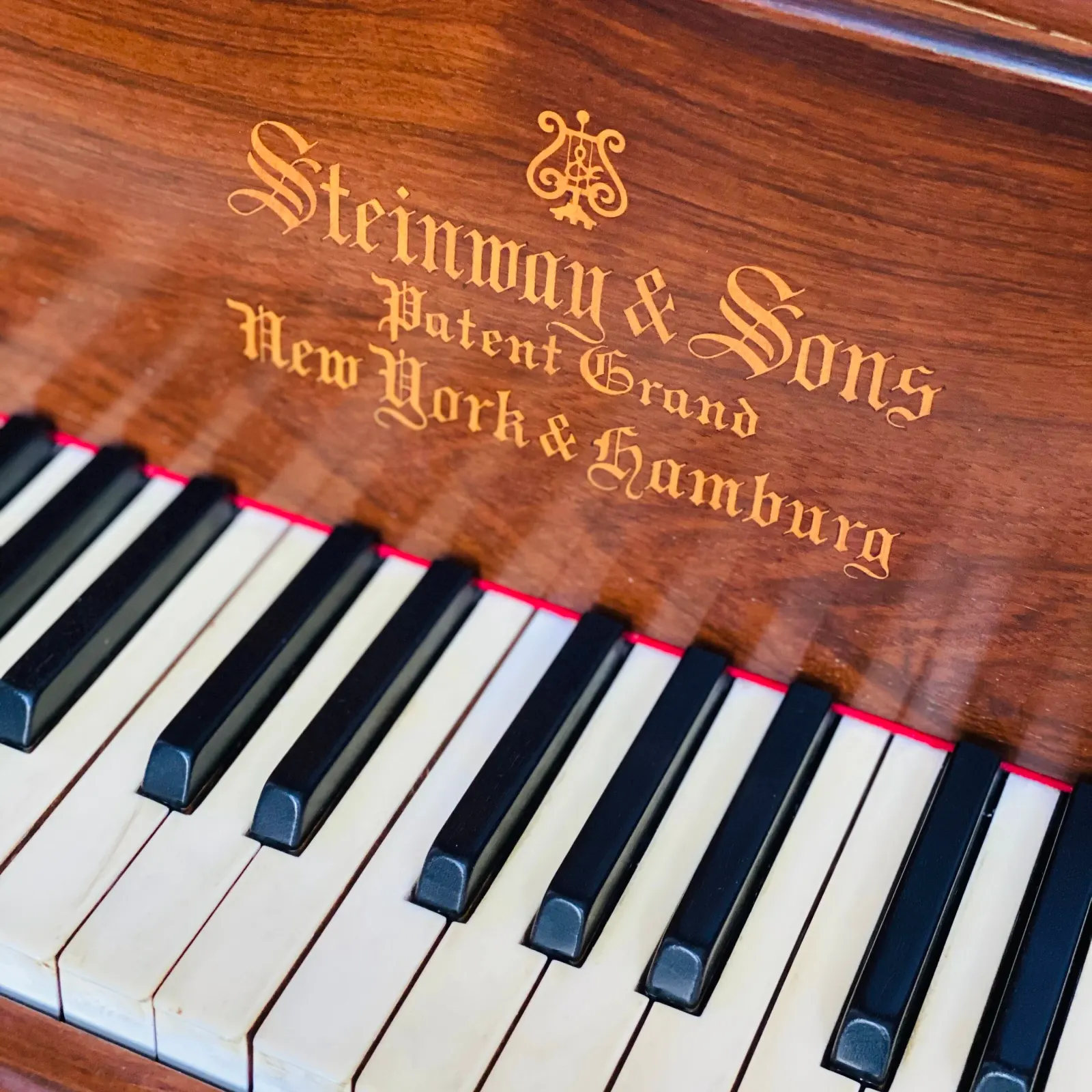
Piano storage
Antique and heirloom piano storage
Older instruments need steadier conditions, not rougher ones. We collect, store and protect antique pianos with the same specialist care we give every instrument.
Book storagePiano storage
Older instruments need steadier conditions, not rougher ones. We collect, store and protect antique pianos with the same specialist care we give every instrument.
Book storageWho stores with us
Antique and heirloom pianos come into storage for all sorts of reasons. An estate needs settling but nobody is ready to receive a Victorian Bechstein yet. A renovation makes the drawing room unusable for six months. A family home is being sold and the instrument, however beloved, cannot go straight to a flat. The reason matters less than the outcome: the piano needs somewhere it will not be harmed while the rest of life is sorted.
Antique instruments are not well served by a general storage unit. Irregular temperature, damp and dust do real damage to a piano that has survived a hundred years in a well-kept home. Our facility is climate-controlled and we handle the collection and re-delivery with specialist crews, so the instrument arrives the way it left.
Why age changes the risk
A piano made a century ago was built to different tolerances than one built last year. The wood has dried and moved over decades into a settled equilibrium. Push it out of that equilibrium with humidity swings or cold, and you can crack a soundboard or split a veneer that survived two world wars intact.
The felt ages in ways that make it more susceptible too. Original hammers, dampers and key bushings from an older instrument are often more brittle than modern equivalents. The same spike of damp that would make a new piano sticky can cause real mechanical damage in an antique.
How we handle them
Every piano we collect is wrapped and protected before it moves, and an antique gets the same trained specialist crews and the same climate-controlled destination. With an older instrument our crews approach it knowing it is more likely to be fragile at the joints, more easily marked on the case, and worth slowing down for. They have handled many Victorian and Edwardian uprights and early twentieth-century grands.
Once it is in storage, the facility runs steady temperature and humidity year round. There are no cold spells in winter or warm spells in summer, because the environment is not connected to the outside. Your instrument sits in conditions closer to a well-heated Victorian sitting room than to an unmanaged unit.
Booking
You do not need a valuation or a specialist survey before booking. Enter your postcode and choose the piano type that best fits your instrument, and you will see the collection fee and weekly storage rate straight away. Pick the next available collection day for your area and we confirm a 3-hour window the day before.
When you are ready for the piano back, one message books the return. Because PianoStorage is part of the Pianospeed Group, the whole journey from first collection to final placement is handled by one organisation with one record of your instrument throughout.
Simple, transparent pricing
Prices include collection, climate-controlled storage and full insurance. Stairs without a lift and off-day collections are priced transparently in the booking. Re-delivery is quoted when you are ready for the piano back.
Questions
Yes, provided it is handled by specialist piano crews and stored in climate-controlled conditions. Old pianos have often been moved many times during their lives. The risks come from poor handling and unsuitable storage, not from movement itself. We collect and wrap carefully and hold the instrument in conditions designed to keep aged wood, felt and original components stable.
Every instrument in our facility is covered by our insurance from the moment of collection. For a piano with significant value, we recommend confirming that your own specialist instrument insurance sits alongside ours, as standard policies have coverage limits. We can provide storage documentation for your insurer if needed.
Yes. Ivory responds to the same conditions that affect the rest of the piano: it likes steady, moderate humidity and dislikes extremes. Our climate-controlled facility suits it well. The risk to ivory comes from very dry air, which causes cracking, or from damp, which causes yellowing and lifting. Our conditions avoid both.
For as long as you need. There is no fixed term. Storage runs in four-weekly billing cycles and continues until you are ready to arrange re-delivery. Many instruments stay for a year or more while estates are settled and families decide what they want to do with a valued piece. You simply give us notice when you are ready for the piano back.
Yes. Our specialist crews handle stairs regularly, including at period properties where the staircase may be narrow or curved. Access like stairs, tight hallways or a lift-free upper floor is priced clearly during online booking, so you see the full cost before you commit and there are no surprises on the day.
Good climate-controlled storage is one of the best things you can do for a piano awaiting restoration. It prevents the additional deterioration that an unmanaged space would cause. The instrument will not improve in storage, but the point is to keep it from deteriorating further until a restorer can give it their attention.
More on storage
We collect, protect and re-deliver. You only pay for the time you use.
Get an instant price